Oxford Ghost Tour
Folklore & Legends

Oxford Ghost Stories

Oxford's narrow lanes and ancient quadrangles have accumulated centuries of ghost stories, each tied to specific doorways, staircases, and college halls. This guide maps the folklore that defines the city's evening walking routes, from medieval tragedies to Victorian sightings that still anchor local tradition.

9 min read Updated 2026-08-24 Fact-checked
Oxford Ghost Stories

Quick answer

Oxford ghost stories span eight centuries of documented hauntings, concentrated in the city centre between Broad Street and the High. The most frequently recounted legends involve the Bodleian Library's hooded figure, the White Lady of St John's College, Archbishop Cranmer's apparition at the Martyrs' Memorial, and the spectral monk of New College Lane. These tales form the narrative backbone of evening walking routes that depart nightly at 18:00 from Broad Street.

The Bodleian Library's underground book conveyor is said to carry more than manuscripts. Staff have reported a hooded figure in the lower reading rooms, always seen near the spiral staircase that descends to the medieval Duke Humfrey's Library. The sighting has been logged intermittently since the 1940s, with witnesses describing identical period dress and a consistent route toward the locked manuscript vault. St John's College preserves the most persistent apparition in Oxford's documented folklore. The White Lady appears in the President's Lodgings, a figure in pale robes seen crossing the upper gallery on winter evenings. College records trace the story to 1662, when a young woman died in that wing under circumstances the archive describes only as "sudden and grievous." The tale has remained stable across generations, with no embellishment—unusual in oral tradition—and the sighting locations match the original floor plan. New College Lane, the city's narrowest medieval passage, channels sound in ways that unsettle first-time visitors. Footsteps echo from both directions simultaneously, and the enclosed stone amplifies whispers into layered murmurs. The acoustic effect has spawned the lane's resident legend: a Franciscan monk murdered during the Dissolution, whose habit scrapes the east wall as he retraces his final walk to the college gate. The story is geographically precise, naming the exact archway and paving stones, and locals still avoid the spot after dark. The Martyrs' Memorial stands at the intersection of St Giles' and Beaumont Street, marking the 1555 execution site of Protestant reformers Cranmer, Latimer, and Ridley. October sightings of Cranmer's figure have been reported since the memorial's 1841 dedication, always described as a man in bishop's vestments standing motionless at the monument's north face. The consistency of date, location, and appearance has kept the account alive in Oxford ghost stories for nearly two centuries, making it one of the city's most enduring hauntings. These legends are not abstract folklore. They are attached to specific thresholds, told with street addresses and architectural details, and they shape the routes visitors walk after sunset. The tales function as a narrative map, turning the medieval city into a layered archive of memory, loss, and the stories communities preserve when stone and shadow outlast the people who once moved between them.

“The Bodleian's hooded figure has been reported in identical detail since the 1940s, always near the spiral staircase to Duke Humfrey's Library.”
History

The Origins of Oxford Ghost Stories and Local Lore

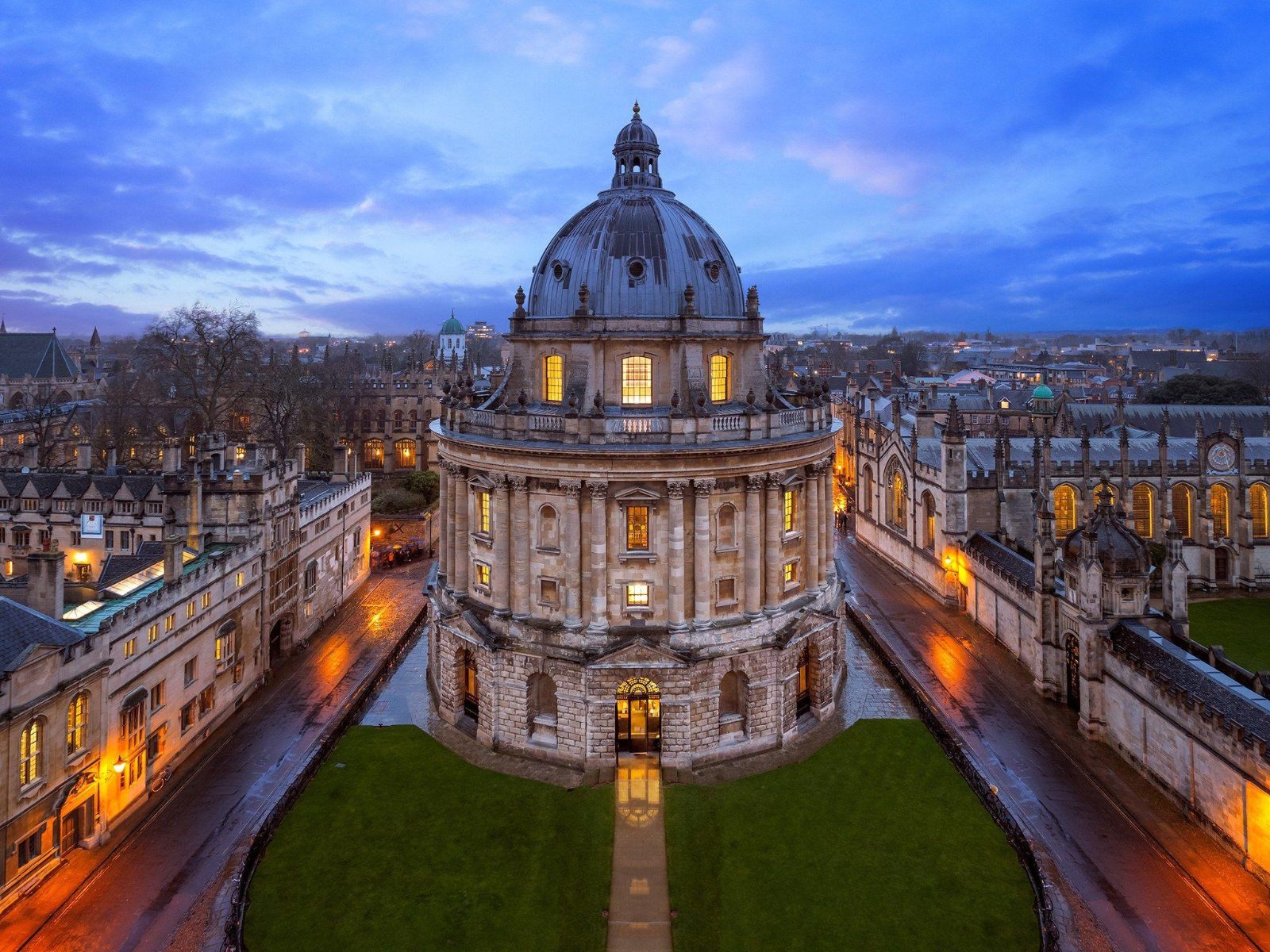
Oxford's reputation as England's most haunted city rests on eight centuries of documented tragedy and institutional memory. The university's earliest colleges rose during the 1200s, their stone quadrangles built atop Saxon and Norman foundations where plague pits and medieval execution sites already scarred the ground. By 1355, the St Scholastica Day Riot had left sixty-three scholars dead in the streets, their blood soaking into cobblestones that still form the routes of evening ghost walks. The English Civil War brought fresh violence: Royalist troops garrisoned in college halls, and Parliamentary forces besieged the city in 1646, leaving execution records and mass graves that fed oral tradition for generations. The 17th and 18th centuries added institutional hauntings to the folklore. Archbishop Laud was executed in 1645, and his restless spirit was first reported at St John's College within a decade. The Bodleian Library, expanded in 1610-1612, accumulated tales of spectral scholars, while the Radcliffe Camera, completed in 1749, became a focal point for sightings of robed figures moving through locked reading rooms. These Oxford ghost stories emerged not from fiction but from the diaries and letters of dons and students who recorded unexplained footsteps, cold drafts, and apparitions in Perpendicular Gothic corridors. Today's ghost tours trace these documented sites, guiding visitors past the Divinity School where Cranmer and Latimer were tried, and along Catte Street where the earliest eyewitness accounts were set. The physical architecture remains intact: medieval doorways, Tudor staircases, and Georgian reading rooms where the legends first took root. Walk the evening streets, and the layered history of plague, riot, siege, and execution is still legible in stone.

1209

University of Oxford founded; earliest colleges establish on former burial grounds and execution sites

1355

St Scholastica Day Riot kills sixty-three scholars, embedding violent memory into city streets

1645

Archbishop Laud executed; ghost sightings at St John's College reported within a decade

1646

English Civil War siege ends; mass graves and executions documented in college records

1749

Radcliffe Camera completed; spectral sightings of robed figures in locked reading rooms become part of oral tradition

19th c.

Ghost stories formalized in university folklore; dons and students record apparitions in Gothic corridors

20th c.

Evening ghost walks begin, tracing documented sites and eyewitness accounts from medieval and Civil War eras

What to see

Notable Locations Within Oxford Ghost Stories

Oxford's haunting tales are rooted in specific historic locations where legends of past residents continue to circulate. These sites form the core of the city's spectral reputation.

Oxford Castle and Prison

Oxford Castle and Prison

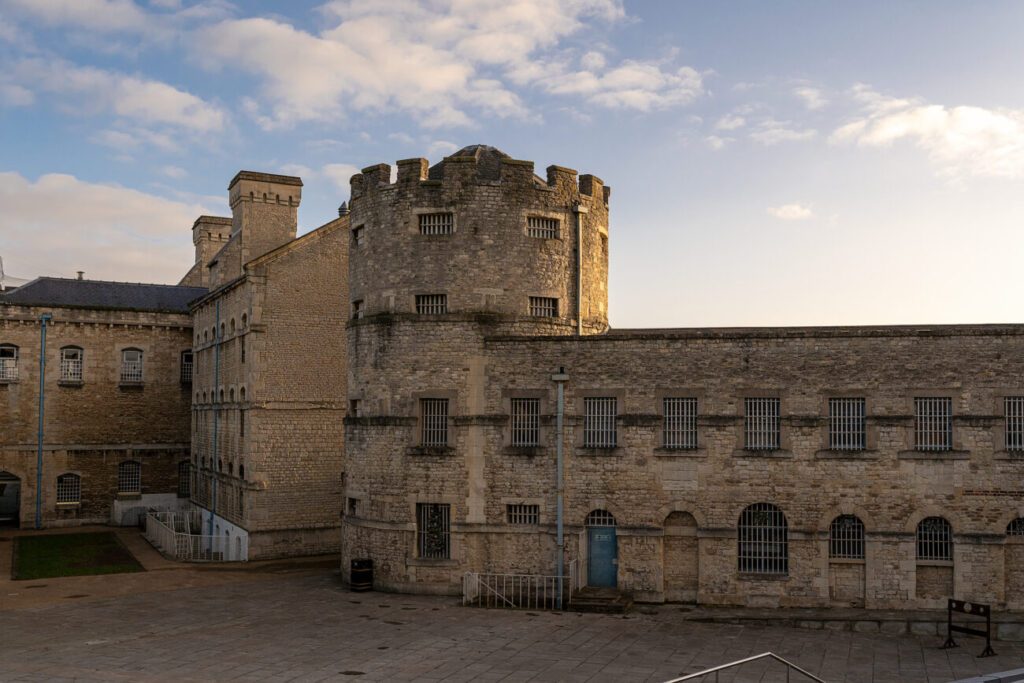
This former fortress and jail is associated with the ghost of Mary Blandy, who was executed for poisoning her father. Visitors often report cold spots within the ancient stone cells.

Observe the D-Wing cells from the guided path for maximum atmosphere.
St Edmund Hall

St Edmund Hall

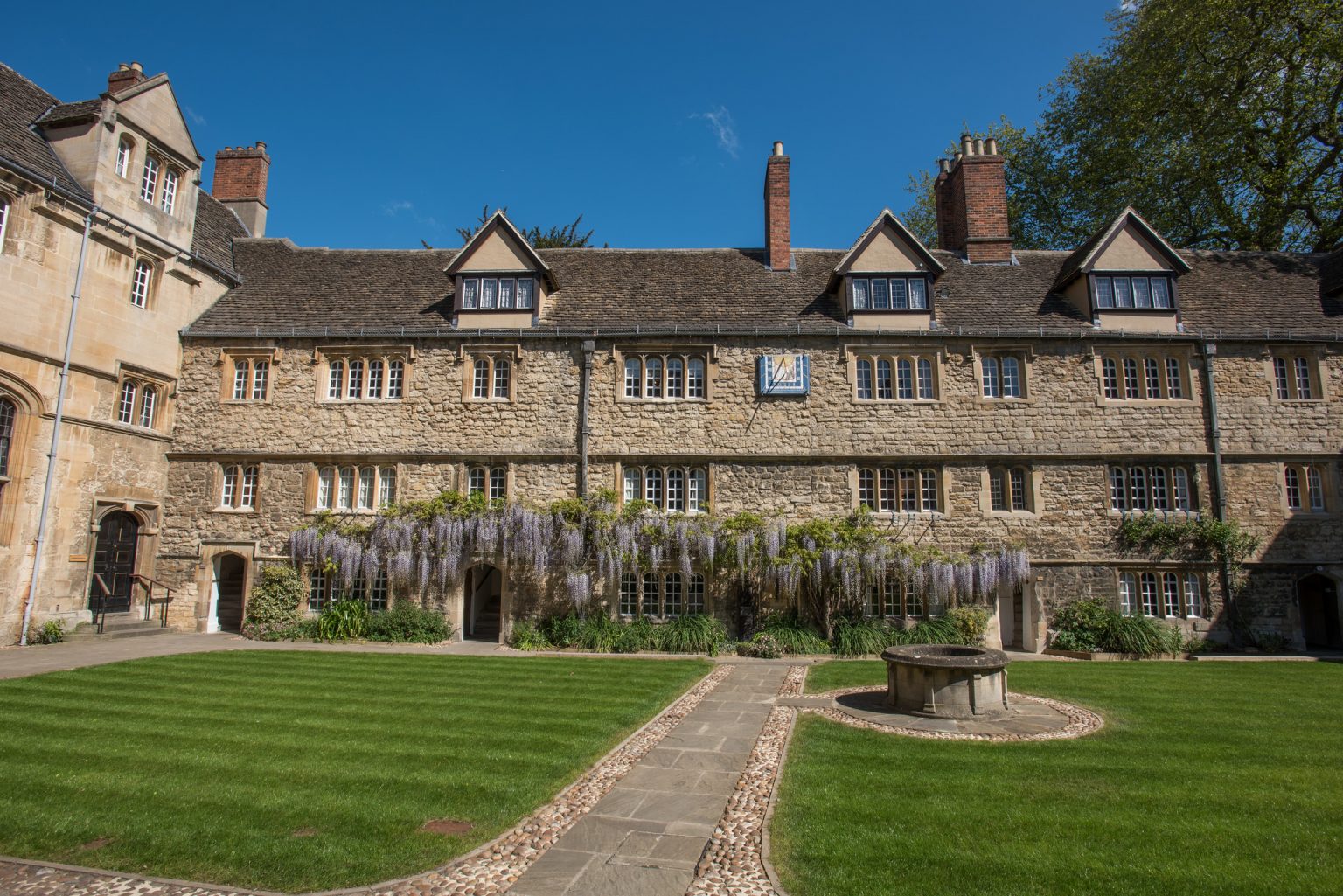
Known as one of the oldest colleges, it is reputedly haunted by the ghost of a former principal, Thomas Hearne. His spirit is said to pace the grounds near the old chapel.

Look toward the chapel windows when the quad is empty.

The Mitre

The Mitre

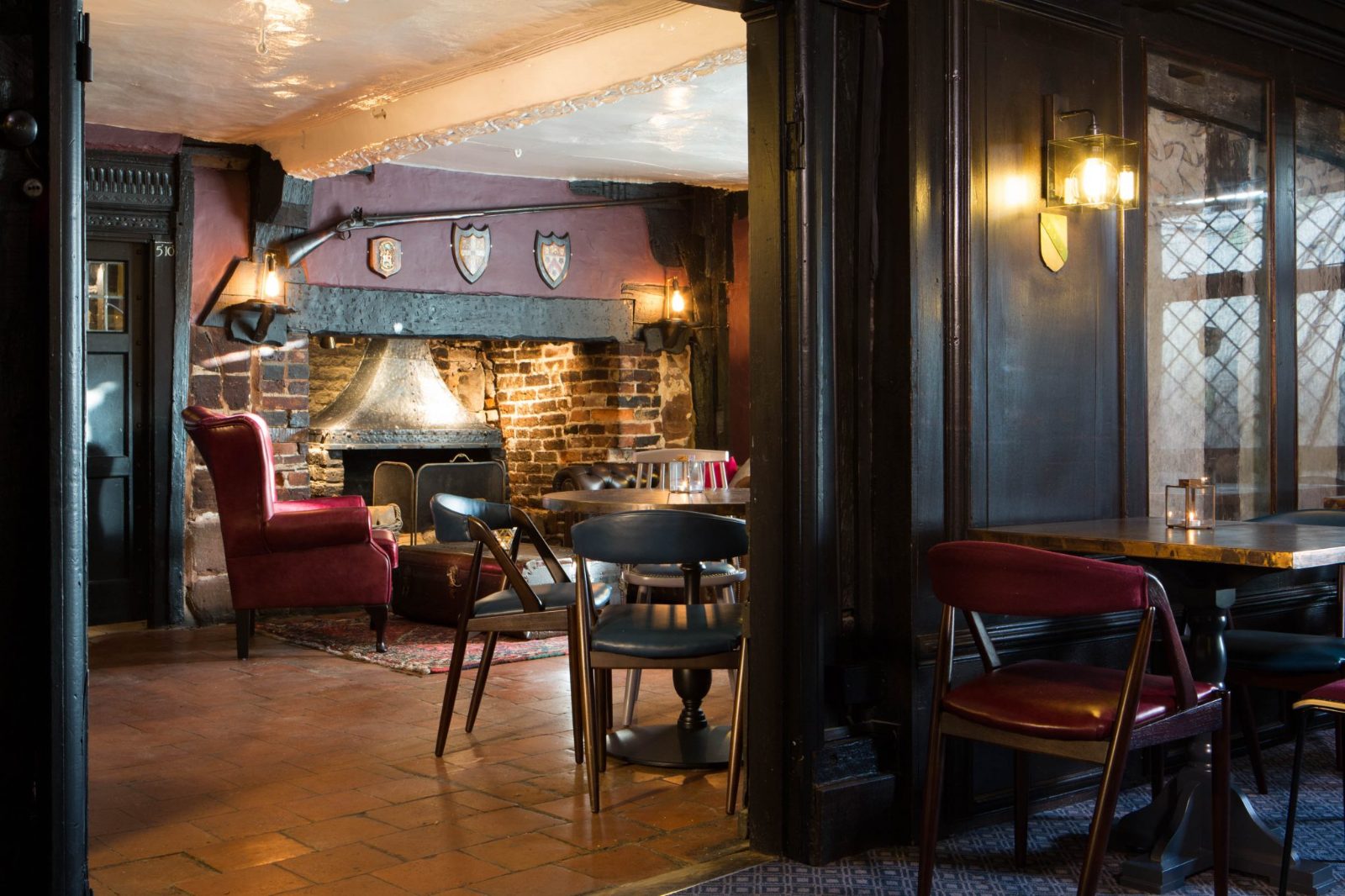
This historic inn, which dates back to the 13th century, is frequently cited in local lore for encounters with shadowy figures in its long, low-ceilinged corridors.

Check the corners of the upper floor hallways during low light.

Christ Church College

Christ Church College

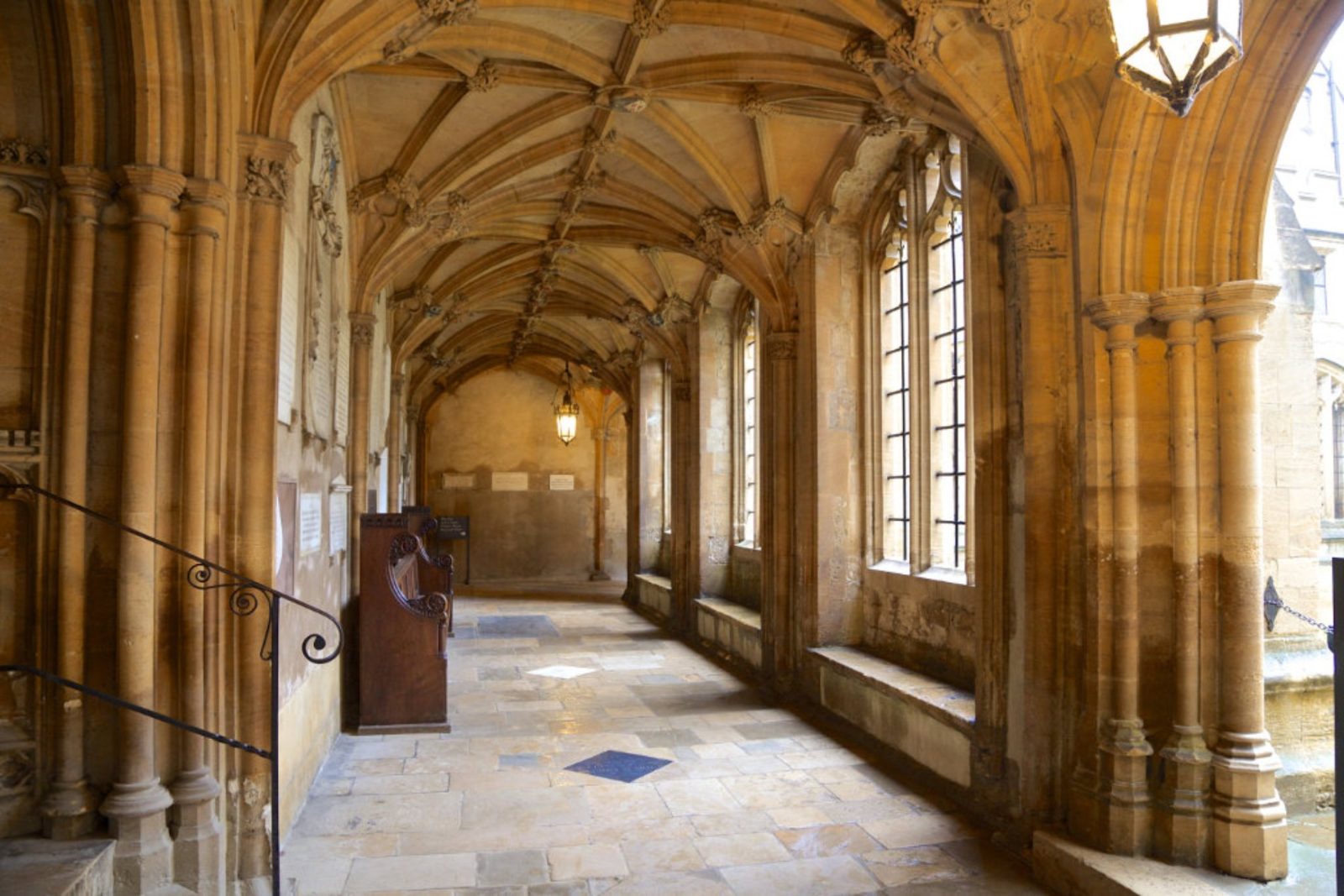
The college cloisters are linked to reports of a phantom monk seen drifting through the archways during quiet evening hours. The setting retains a heavy, historic silence.

Focus on the cloister pillars at dusk to spot shadows.

Opening hours

Opening Hours for Oxford Ghost Stories Tours

The Oxford ghost stories tours operate daily throughout the week. Visitors are advised to plan their schedule according to the set departure times.

Monday
18:00–19:30
Tuesday
18:00–19:30
Wednesday
18:00–19:30
Thursday
18:00–19:30
Friday
18:00–19:30
Saturday
18:00–19:30
Sunday
18:00–19:30
The best arrival window is 18:00–18:15 to ensure check-in and briefing for the evening ghost walk.
Prices

Entrance Fees and Booking for Oxford Ghost Stories

Accessing the historic streets and exterior ghost walk locations of Oxford is free of charge. However, organized guided ghost tours require a paid booking through official providers.

Guided Ghost Tour Requires advance reservation via official site.
Paid Booking
Historic City Areas Public access to streets and lanes.
0 GBP
Public historic areas are free to visit at any time.

Verdict: While walking the city is free, guided tours require a paid booking which varies based on the specific tour operator selected.

Directions

Getting There for Your Oxford Ghost Stories Walk

The meeting point for the ghost stories walk is located at 23-25 Broad Street in the heart of Oxford city centre. It is easily accessible via public transport or by walking from central city landmarks.

Train 15 min walk from station

GWR or CrossCountry to Oxford Station

Bus Direct arrival

City services to Broad Street

On foot Varies

Follow signs for City Centre towards Broad Street

The best arrival window is 18:00–18:15. Arrival during this period ensures sufficient time for check-in and the briefing before the evening ghost walk departs.

Book

Check availability

Frequently asked

Frequently Asked Questions About Oxford Ghost Stories

Everything you need to know about oxford ghost stories

Are oxford ghost stories suitable for children?

While the atmosphere is immersive, these tales often include macabre themes that may not be suitable for young children. Parents should use discretion when considering the tone of the legends shared during the walk.

When can I explore the haunted locations in Oxford?

You can join an evening walking tour between Monday and Sunday from 18:00 to 19:30. These scheduled times allow you to experience the city landmarks under the cover of twilight.

How much do oxford ghost stories tours cost?

The entry fee for general access to historic areas is 0 GBP. Please note that while visiting public spaces is free, guided tours typically require a paid booking to secure your spot.

Where do the guided walks for local legends start?

The meeting point for our explorations of local lore is 23-25 Broad Street, Oxford, OX1 3AX. This central location serves as the starting point for uncovering the city's supernatural past.

What is the best time to arrive for an Oxford ghost tour?

We recommend arriving between 18:00 and 18:15. Checking in within this window ensures you have enough time for a briefing before the group departs for the evening.

Are there any entry fees for the historic sites featured in oxford ghost stories?

Historic areas in the city center are free to enter. However, to access the curated narrative experience of a professional ghost walk, you must purchase a ticket through an official provider.

Do I need to book in advance for these eerie walking tours?

Yes, while the historic streets are open, it is highly recommended to secure a booking in advance. This ensures your place on the route and allows you to receive the necessary check-in details.

Are the haunted tales in Oxford based on real history?

Yes, the narrative depth of these walks is rooted in the academic and collegiate history of the city. Scholars and storytellers curate these accounts to reflect authentic folklore and local incidents.

Keep reading

More guides & pages