Quick answer
An oxford ghost tour self guided costs nothing and runs year-round, available 24 hours a day across Central Oxford's public streets and college exteriors. The best arrival window is 19:00–23:00, when darkness and reduced foot traffic amplify the atmosphere. Most routes cover 2–4 kilometres and take 90 minutes to two hours, depending on your pace and how long you linger at each site.
More than forty documented hauntings cluster within a single square mile of Oxford's medieval core, and nearly all of them occupy public streets, churchyards, and college exteriors that never close. Unlike commercial ghost tours that follow fixed schedules and crowded groups, an oxford ghost tour self guided lets you move at your own speed, photograph without rushing, and revisit locations that intrigue you. The city's compact layout and pedestrian-friendly centre make navigation simple, even after dark.
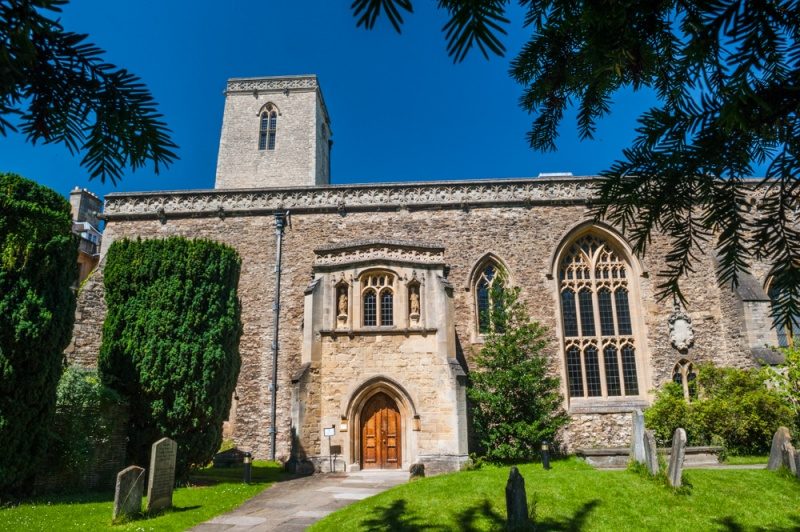
The most frequently reported sites—Brasenose Lane, the Bodleian courtyard, St. Mary the Virgin churchyard, and the former site of Bocardo Prison near St. Michael at the North Gate—sit within a ten-minute walk of one another. Each location ties to a specific historical event: executions, plague burials, violent college disputes, or unexplained deaths. Printed maps and digital route files are available from local history groups and paranormal research organizations, many of which publish their sources and cross-reference contemporary accounts. The official site for Dark Oxfordshire, a regional paranormal archive, maintains an updated index of verifiable hauntings and their archival origins at https://darkoxfordshire.co.uk.
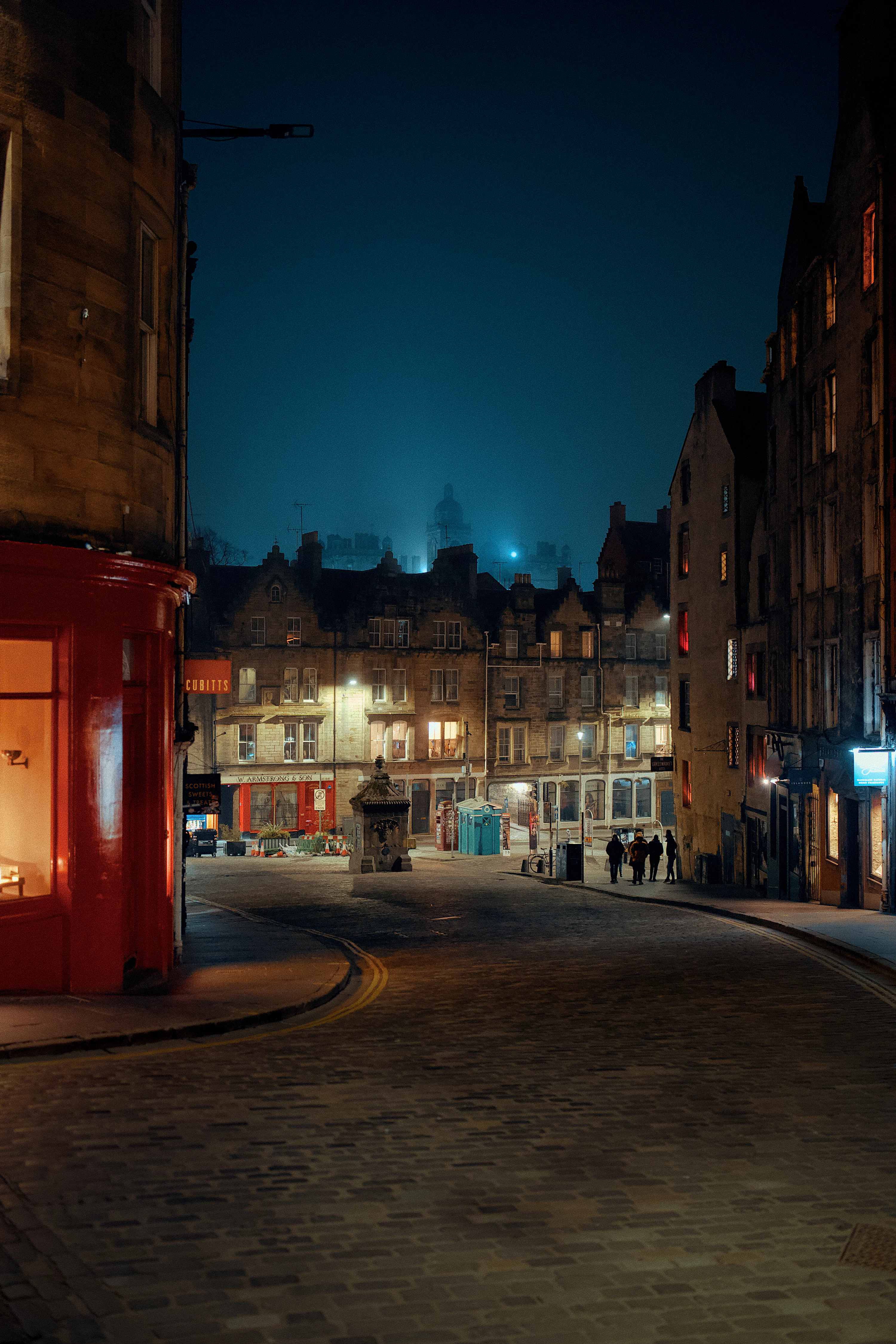
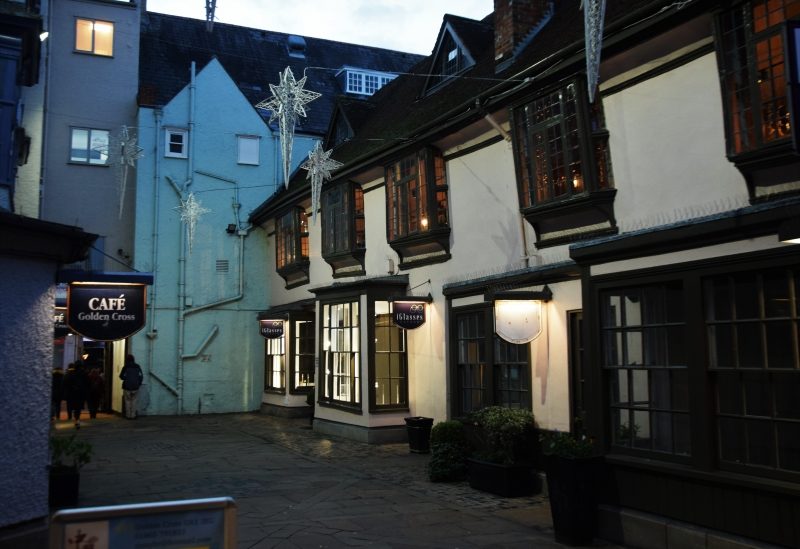
Self-guided exploration works best between dusk and midnight, when college quads empty and street lighting casts the kind of contrast that makes Tudor stonework and shadowed archways legible. Summer visits benefit from longer twilight and mild weather, though autumn and winter bring fog and earlier darkness that suit the subject. Most routes avoid college interiors, which require separate admission and close by early evening, focusing instead on exteriors, churchyards, and lanes that remain accessible around the clock. Broad Street, Catte Street, and the Radcliffe Square area form the nucleus of most walks, with optional extensions into Jericho or along the Thames towpath for reports tied to the Civil War and older monastic ruins.
A printed or offline map is essential—mobile signal drops inside some of the older college precincts, and street lighting is sparse in sections of the historic centre. Comfortable walking shoes and layered clothing matter more than specialized gear; the terrain is flat, paved, and lit well enough to move safely, though uneven cobbles and narrow pavements require attention after dark.